
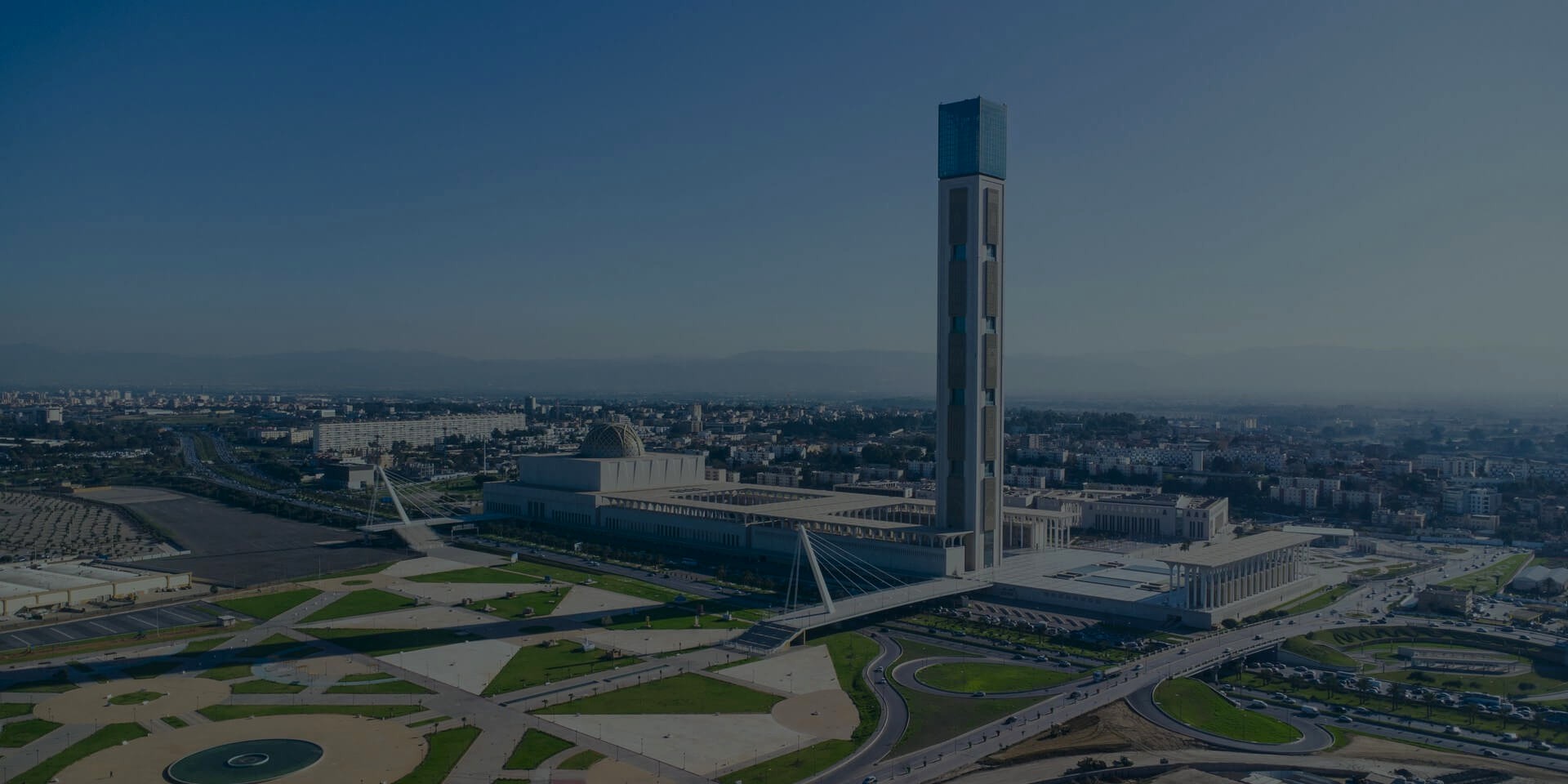
Algiers
Where the echoes of history meet modern charm, inviting you to explore its treasures and craft unforgettable memories by the dazzling sea.
The Gateway to Algeria's Heritage
Algiers, the capital of Algeria, is a vibrant city with a rich history and diverse architecture. Highlights include the UNESCO-listed Casbah, a maze-like ancient quarter, and the French Quarter with its colonial buildings. The city offers museums, markets, and a beautiful waterfront promenade. Don't miss trying traditional Algerian cuisine and relaxing on the stunning beaches. Algiers is a captivating blend of history, culture, and modernity.


Martyrs Memorial
The Martyrs Memorial in Algiers is a significant monument located in the capital city of Algeria.
The Martyrs Memorial in Algiers is a prominent monument honouring the martyrs of the Algerian War of Independence. Completed in 1982, it stands on the outskirts of Algiers and represents the country's struggle for freedom. The memorial includes a museum under neath and offers a panoramic view of the city.
It serves as a powerful reminder of the sacrifices made by the Algerian people during the French colonization since 1830 till getting its independence in 1962.
The Casbah of Algiers
The Casbah of Algiers is a historic district located in the heart of the capital city of Algeria.
It is a UNESCO World Heritage site and one of the oldest and best-preserved casbahs (fortified cities) in the world.
The Casbah dates back to the 16th century and served as a stronghold during various periods of Algerian history.
It is characterized by narrow winding streets, traditional houses, mosques, palaces, and gardens.
Within the Casbah, visitors can explore the Dar Hassan Pacha Palace, which now houses the National Museum of illumination, miniature and calligraphy of Algeria. The Palace of the Dey, the Ketchaoua Mosque, and the Great Mosque of Algiers are other notable landmarks within the Casbah.
The district is also known for its vibrant markets, where one can find a variety of traditional crafts, textiles, and local products. The atmosphere of the Casbah is captivating, with its bustling streets and shaky cultural scene.
The Casbah of Algiers offers a glimpse into the rich history and culture of Algeria. It is a must-visit destination for those interested in exploring the architectural beauty and heritage of the region.

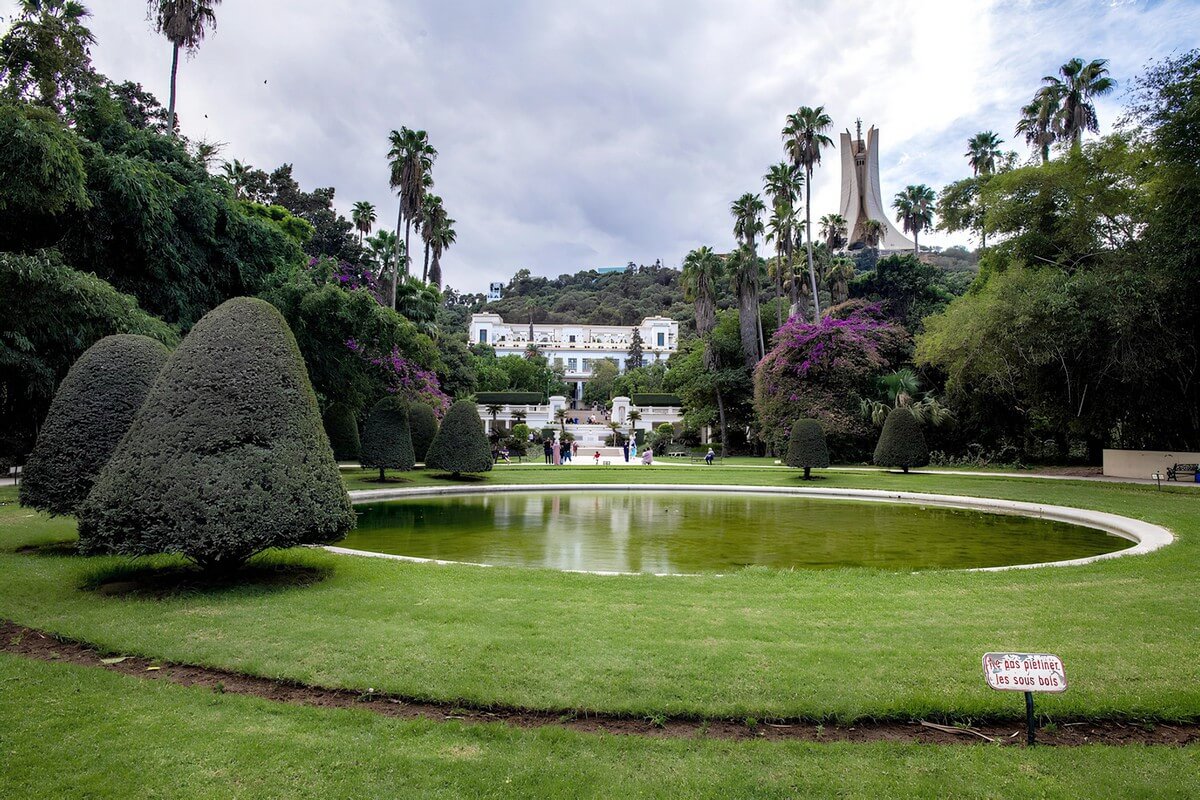
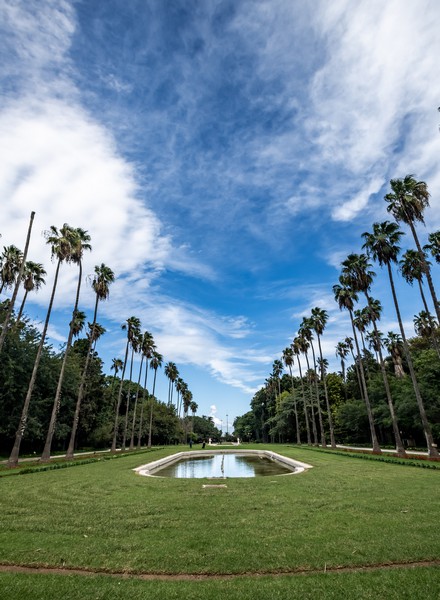
The Botanical Garden of Algiers
The Botanical Garden of Hamma has an undeniable national scope, linked to its history with all Algerians.
Its exceptional beauty has earned it the status, for decades, of the privileged place of relaxation and discovery for many generations as well as for foreign visitors.
Internationally, the Botanical Garden of Hamma is recognized as one of the most remarkable botanical gardens in the world. It joined the international network of botanical gardens BGCI (Botanic Garden Conservation International) in February 2009 and has since exchanged, via its index seminum, with more than 160 botanical gardens and conservatories around the world.
The Hamma test garden is a candidate for national and international classification taking into account the following considerations : strategic location, natural resources, area, great richness and its floristic and faunal diversity, undeniable historical and cultural value, economic, scientific and ecological interest, positive impact on the quality of urban life.
Basilica of Notre d’Ame Afrique
Notre Dame d'Afrique, also known as "Madame l'Afrique" or "Lella Myriam" is located in the Z'Ghara district. It stands 124 meters above sea level in the western districts of Algiers.
The basilica was completed in 1872 after 14 years of construction, it is the work of the French architect Jean Eugène Fromageau. The exterior is built in Byzantine style, while the interior is inspired by Hispano-Moorish architecture. On entering the church, you are at once struck by the numerous marble tablets that cover the walls. These are tokens of gratitude of those whose prayers had been granted.
An inscription inside reads: "Notre Dame d' Afrique priez pour nous et pour les Musulmans", meaning "Our Lady of Africa, pray for us and for the Muslims".


The Rais Palace
The Rais Palace commonly known as Bastion 23 is one of the most important historical monuments of the city of Algiers and represents one of the last witnesses that physically attest to the extension of the Medina El Djazair (Casbah) to the sea during the Ottoman period (16th/19th century).
La Grande Poste
The Grande Poste is particularly impressive.
Commissioned by the French in 1910, the neo-Moorish building features graceful arches and an elegant marble staircase.
Until 1962, the main Post office of Algiers, was located in the heart of the European district of Algiers and a few hundred meters from the headquarters of the General Government, at the foot of the Forum of Algiers, a constant gathering place for demonstrations in favor of Algeria.


Romain Ruins of Tipasa
Tipasa, located 70 km west of Algiers, is an archaeological site comprising three areas:
two archaeological parks near the modern city and the Royal Mausoleum of Mauretania, situated on the Sahel plateau.
It played a significant role in the interactions between indigenous civilizations and successive waves of colonization from the 6th century B.C. to the 6th century A.D.
The site features a well-preserved Carthaginian trading center with an extensive necropolis and a Roman period with diverse architectural structures and a growing Christian presence.
Tipasa has exceptional universal value and is protected by legal frameworks, although it faces threats from urban development, tourism, and lack of conservation.